


I get to start each new year by attending CES in Las Vegas–previewing emerging technology, meeting with partners who are building the products shaping the future, and having thoughtful discussions about where marketing, media, and culture are headed. CES 2026 was no exception. It was a jam-packed three days filled with speaking engagements, partner brainstorms, panels with leaders I admire, an intimate salon-style dinner, and, of course, wow moments on the trade show floor.
CES is where ideas are birthed and breakthroughs happen. It’s a place where conversations spark new ways of thinking–and those ideas, when carried forward, can turn into products and partnerships that change the world.
A Defining Theme: Trust
If there was one theme that consistently surfaced throughout the week, it was how fragile trust has become in an AI-saturated world.
We’re now in an era when humans can no longer easily distinguish whether images, video and audio they consume are AI-generated or not. As a result, people are beginning to question whether they can trust what they read or see online–especially in their social media feeds. That reality underscored something I heard repeatedly across panels and conversations: the value of working and connecting with real humans is rising, not declining.
At the same time, trust in AI-generated output is still being calibrated. New research from the Ad Council Research Institute, “Calibrating Trustworthiness with AI”, developed in partnership with Google, found that while nearly two-thirds of Americans now use generative AI for personal or work-related tasks, only 11% say they find AI-generated results “very trustworthy.” That gap between adoption and confidence is striking, and it came up often in discussions around AI’s growing role in discovering and creating content and decision-making.
One moment that stood out was hearing Reena Jana, Head of AI Research & Standards, Trust & Safety at Google and Chair of the Ad Council’s Emerging Media & Tech Committee, share these findings on a CES stage during the panel Beyond the Buzz: Smarter AI Tools for Smarter Enterprises. Reena and I originally brainstormed the idea for this white paper at CES last year, so seeing it come full circle–and being shared with the broader CES community–was an incredibly meaningful reminder that CES is fertile ground for developing ideas, partnerships, and work that extends well beyond the conference itself.
Where the Ad Council Showed Up
At the Ad Council, we sit at the intersection of innovation, technology, creativity, and social impact–and public trust is foundational to everything we do. Our role has always been to ensure technology and innovation are harnessed as a force for good, accelerating behavior change and helping build a society where everyone can thrive. That showed up in several ways throughout the week.
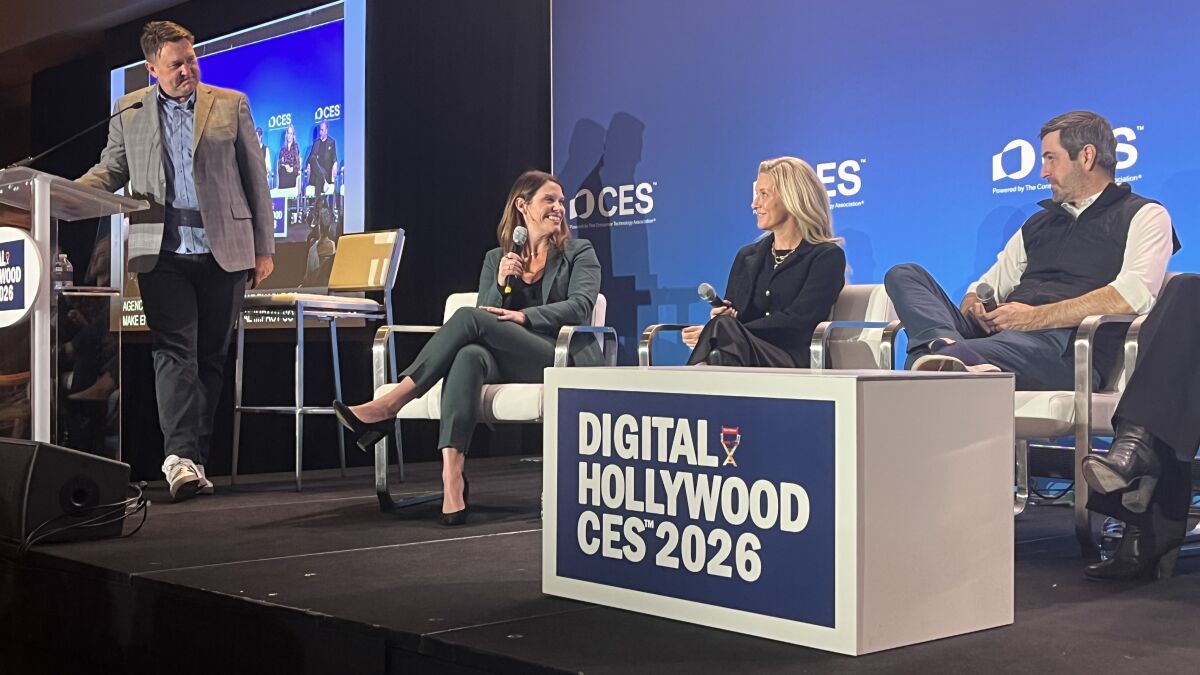
At Digital Hollywood, I joined a panel focused on podcasts, the creator economy, and the evolving media landscape. I spoke about the importance of working with podcasters and creators, particularly the value of longer-form content when discussing emotionally charged issues like mental health and gun violence. Podcasts create space for nuance and depth, and they reach audiences who trust them. This is incredibly important for social impact campaigns, when we know that the messenger matters just as much as the message.
I also joined James Kotecki for an interview at the CES C-Space Studio, where we discussed how emerging technology can accelerate social impact. We talked about AI-powered chatbots embedded into campaign websites to help people access information faster, how drones will become a new marketing surface–especially for hyper-localized efforts–and how humanoid robots could one day play a role in issues like wildfire prevention. Technology’s greatest potential isn’t in making things easier or faster, but in driving meaningful impact at scale.

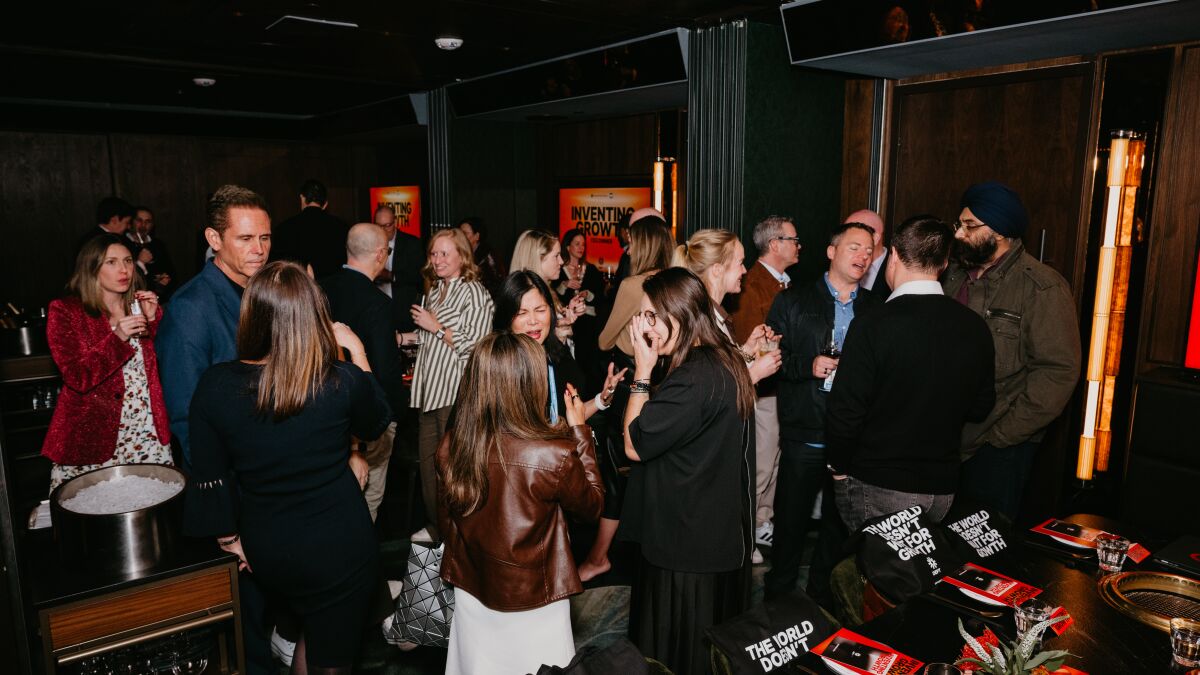
And finally, the Ad Council co-hosted an intimate “Inventing Growth” salon dinner in partnership with DEPT® and Microsoft. The evening was intentionally designed to feel different from a typical CES experience. It was less about presentations and more about connection. Leaders gathered to reflect on the rituals that make them better leaders and the technology trends that genuinely inspire them. It’s in these moments away from stages and screens where real connections are formed and ideas begin to take shape.
Technology That Can Move Society Forward
Every year, I make it a priority to secure a spot on an agency-led tour of the trade show floor. CES can be overwhelming–thousands of booths, endless noise, and more innovation than anyone can process alone. Having a knowledgeable guide curate the experience makes a huge difference.
This year, I joined a guided tour of CES Innovation Award winners at the Venetian, led by Whitney Fishman, EVP of Futures & Applied Transformation at dentsu. What I appreciate most about these tours is the focus on context–not just what the technology is, but why it matters and the human need that inspired its creation.
Several innovations stood out to me because of their potential to positively impact society.
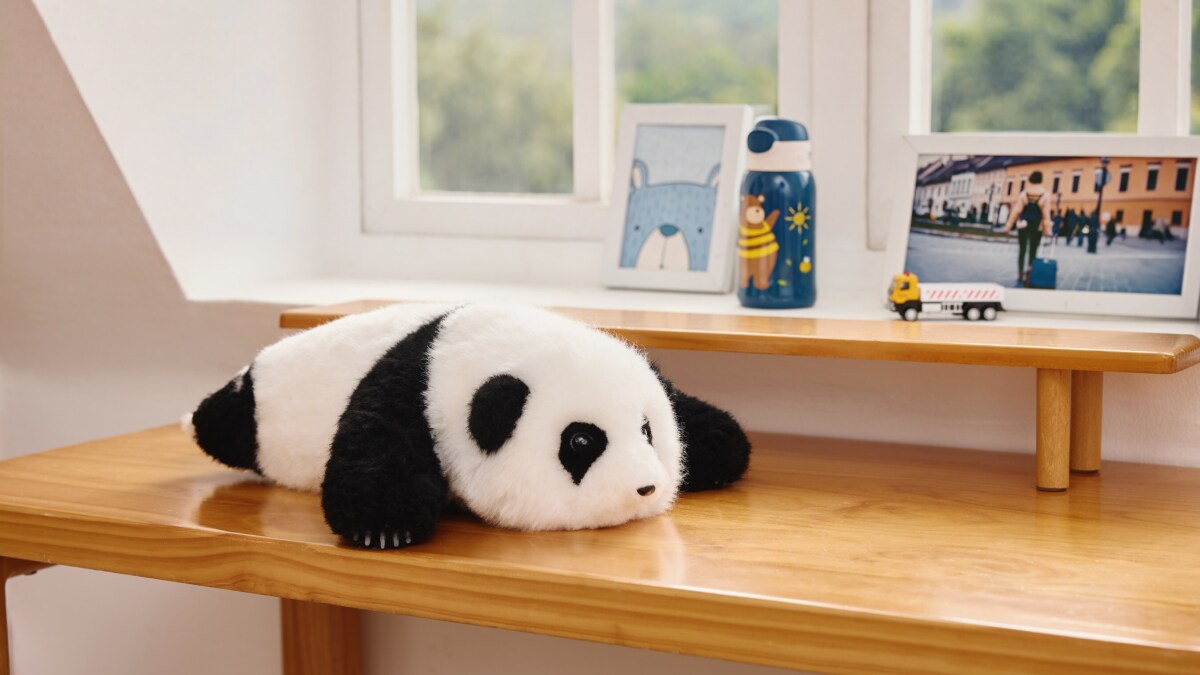
- Emotional Wellbeing: I saw compelling examples of AI-powered companions and immersive experiences designed to support people through grief, loss, and loneliness. The Biomimetic Affective AI Panda by Mind with Heart Robotics demonstrated how AI can be used to provide companionship for elderly populations and individuals with autism. I also learned about self insight therapy and a new product by SITH.XRaedo by VHEX Lab, an immersive XR grief therapy platform that allows families to find closure through guided virtual experiences. While these technologies can raise ethical questions, they signal how AI is being applied toward care, healing, and emotional support.
- Accessibility: .lumen, a company developing AI-powered glasses for people who are blind, showcased wearable technology that helps users navigate the world independently through real-time guidance. It was a reminder of what technology looks like when it’s designed through the lens of dignity and inclusion.
Climate & Food Resilience: BIENESIS, a spinoff from the Michelin Innovation Lab, presented a robotic canopy system designed to protect crops from extreme weather events like frost, hail and excessive heat. In a time of increasing climate volatility, seeing technology address food security in such a tangible way was incredibly encouraging.

The Demos
No CES is complete without demos, and every year I prioritize visiting partner spaces to experience new technology firsthand.
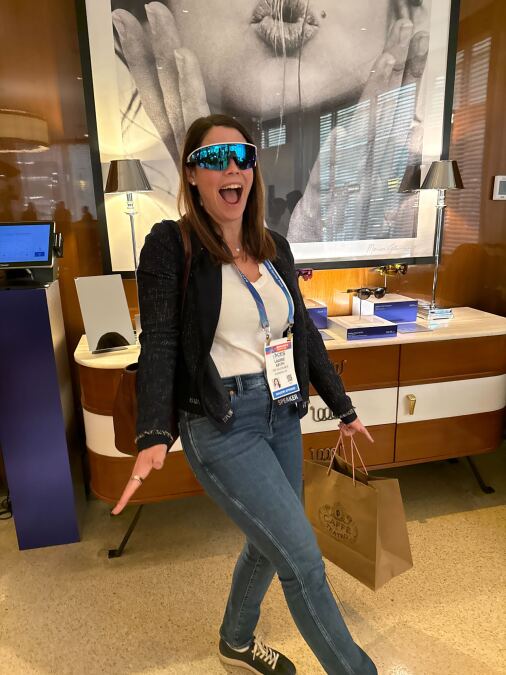
This year, I spent time in Meta’s private demo space, where I had the opportunity to try their newest AR hardware, the Meta Ray-Ban Display glasses. Like many first-generation products, there was a learning curve, but once it clicked, the potential became clear. Navigating with hand gestures, using voice commands, and seeing contextual information layered into the real world offered a glimpse into how wearables could eventually become part of everyday life. At one point, I asked the AI assistant in the glasses to help me find the Bellagio hotel, and it instantly displayed a map with directions right in my field of view. For anyone who’s navigated the maze that is Las Vegas, this felt like a game-changer.
What stood out most wasn’t just the technology itself, but the direction it’s heading. These tools won’t replace human interaction, but they will change how we access information, communicate and experience the world around us.
Looking Ahead
CES 2026 reinforced something I deeply believe: technology doesn’t shape the future on its own–people do. As AI becomes more powerful and pervasive, human connection and creation will only grow in importance.
I’m leaving CES inspired by the ideas, energized by the partnerships, and clear-eyed about the responsibility ahead. In a world where it’s increasingly difficult to tell what’s real, the organizations that earn trust and stay grounded in human experience are the ones that will truly last.